In this article
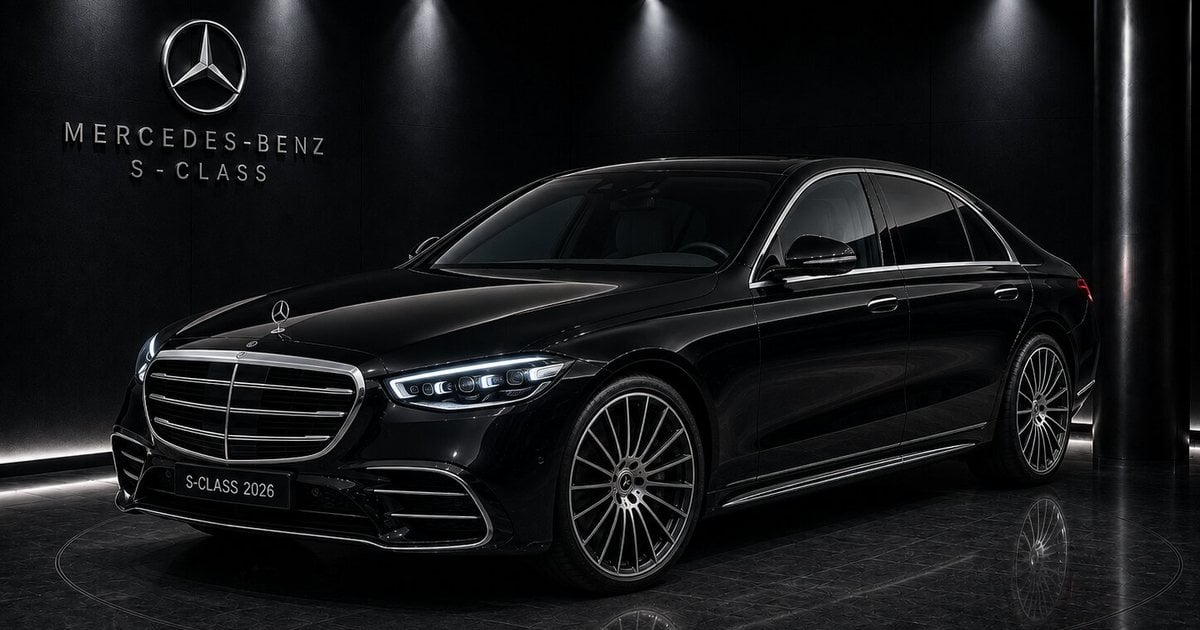
A long-wheelbase (LWB) sedan has a longer distance between its front and rear axles than the standard model, and almost all of the extra length goes to the rear seat. That’s why chauffeur cars are nearly always long-wheelbase versions. In the U.S., the Mercedes-Benz S-Class and BMW 7 Series are sold only in long form, and the Mercedes-Maybach S-Class adds another seven inches or so. Manufacturers mark them with an “L” (S-Class “L”, Audi A8 L), “Li” (BMW), “Extended” (Rolls-Royce Ghost) or “EWB” (Bentley Bentayga, Rolls-Royce Phantom).
What the extra wheelbase gives you
- Rear legroom: typically several inches more.
- Bigger rear doors: easier entry and exit.
- Room to recline: executive seats and calf rests need space.
- A calmer ride: a longer wheelbase tends to reduce pitching over bumps.
Standard vs long vs Maybach
| Version | Rear legroom | Typical buyer |
|---|---|---|
| Standard wheelbase | Good | Owner-drivers |
| Long wheelbase | Generous | Chauffeured owners, executives |
| Maybach / extended | Exceptional | Heads of state, VIPs |
Why the U.S. gets long-wheelbase only
American S-Class buyers overwhelmingly chose the long version, so Mercedes simplified the U.S. range. Read the W223 S-Class.
Why China loves LWB cars
In China, many executives and business owners are chauffeured, and rear-seat space signals status. Brands like Audi, BMW and Mercedes build special long-wheelbase versions of mid-size sedans — such as the A6 L and 5 Series Li — mainly for the Chinese market.
LWB vs stretch limousine
A long-wheelbase sedan is engineered and crash-tested by the manufacturer; a stretch limousine is lengthened after production by a coachbuilder. Read the history of the limousine.
LWB SUVs
The same logic applies to SUVs: the Suburban, Yukon XL and Escalade ESV are long-wheelbase versions with more cargo space. Read Escalade vs Escalade ESV.
Good to know
Frequently asked questions
What does LWB mean?
Long wheelbase — a version of a car with more distance between the axles, usually for more rear legroom.
Is the U.S. S-Class long wheelbase?
Yes. In the U.S., the current S-Class is sold only in long-wheelbase form.
What does "L" mean on a Mercedes or Audi?
It indicates the long-wheelbase version.