In this article
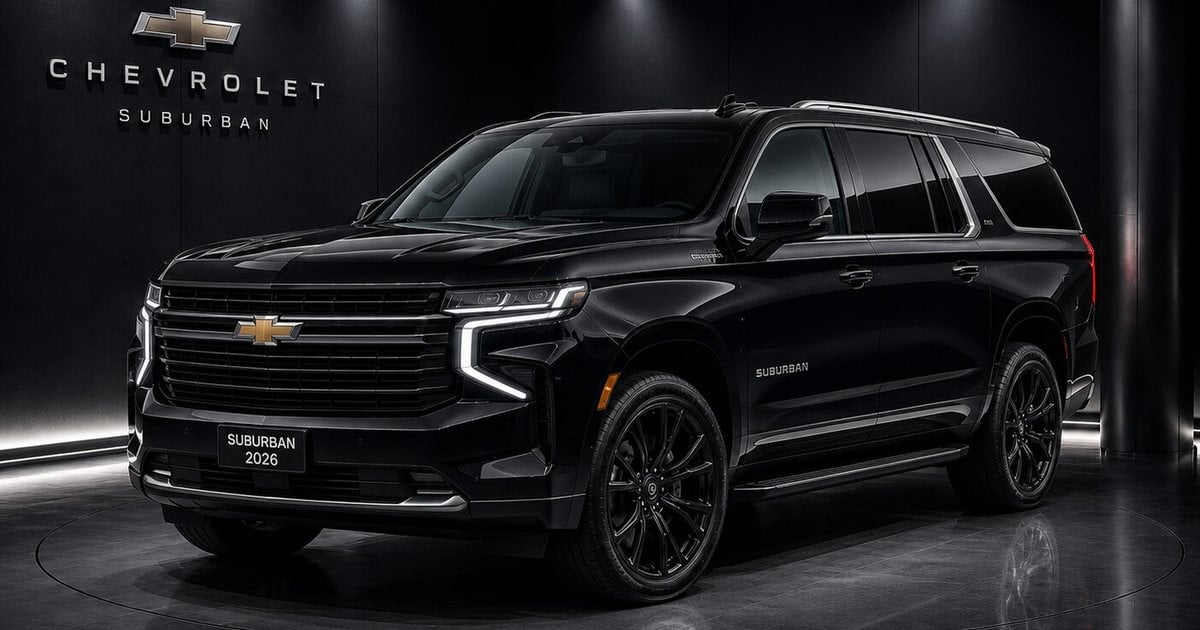
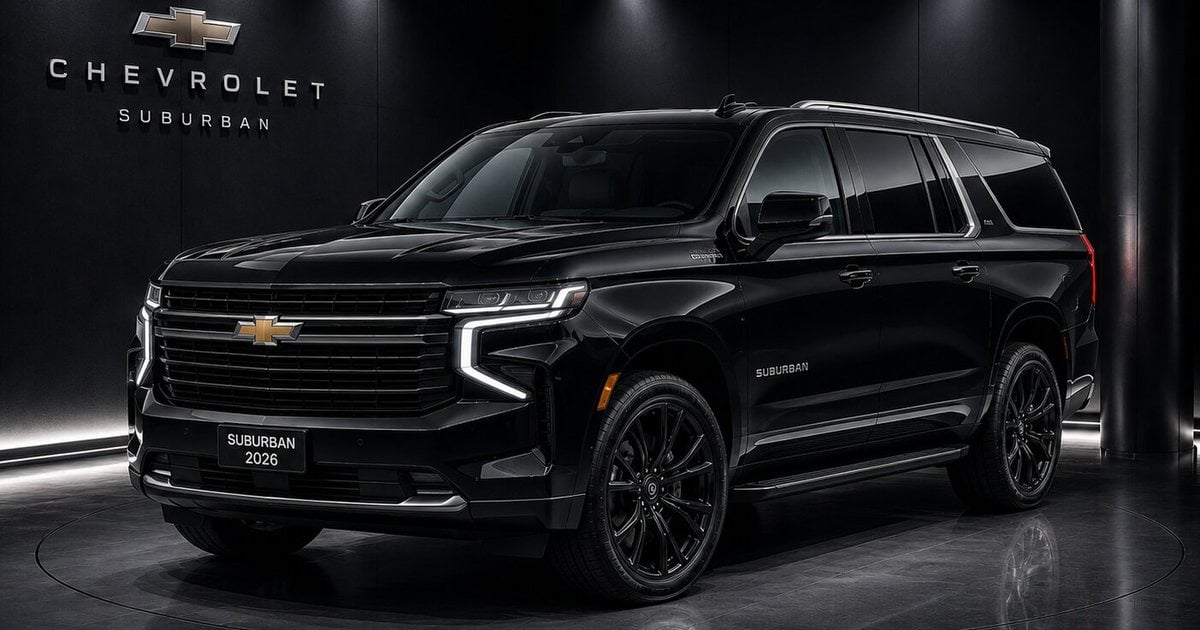
The Chevrolet Suburban is the oldest continuously produced vehicle nameplate in the automotive world. Chevrolet introduced the Suburban Carryall in 1935, and the name has been in production ever since, across twelve generations. Along the way the Suburban went from a two-door steel-bodied people carrier to the three-row, V8-powered full-size SUV used by families, government agencies, ambulance services and chauffeured fleets across the United States.
Suburban at a glance
| Maker | Chevrolet (General Motors) |
| Introduced | 1935 (as the Suburban Carryall) |
| Generations | Twelve |
| Current generation | Since the 2021 model year |
| Engines today | 5.3L V8, 6.2L V8, 3.0L Duramax turbodiesel |
| Siblings | GMC Yukon XL, Cadillac Escalade ESV |
1935: the Carryall
The first Suburban was built on a Chevrolet half-ton truck chassis with an all-steel station wagon body at a time when most wagons had wooden bodies. It had two doors and seats for up to eight, and it was aimed at businesses, funeral homes, hotels and the National Guard as much as at families. Read the full origin story in the 1935 Suburban Carryall.
The post-war generations
Through the 1940s, 1950s and 1960s, the Suburban followed Chevrolet’s truck designs. Four-wheel drive became available from the factory in the late 1950s, which made the Suburban a favorite of utility companies, park services and rural families. In 1967, Chevrolet introduced an unusual three-door layout: one door on the driver’s side and two on the passenger side, so rear passengers always climbed out on the curb side.
1973–1991: the “square body”
The seventh generation, often called the “square body” by enthusiasts, gave the Suburban four doors and a long 19-year production run. It established the Suburban as a family and fleet vehicle and is now a sought-after classic.
1992–2014: the modern SUV
The GMT400 generation of 1992 brought more car-like styling and comfort just as the SUV boom was taking off. The GMT800 (2000–2006) and GMT900 (2007–2014) generations added more luxury, better safety and more efficient V8s. In 2000 GMC’s version, previously also called Suburban, was renamed the Yukon XL — see our Yukon XL history.
2015–2020 and 2021–today
The eleventh generation of 2015 improved materials and quietness. The twelfth, launched for 2021, was the biggest engineering change in decades: independent rear suspension replaced the solid rear axle, lowering the floor, improving ride quality and creating significantly more third-row and cargo space. A 3.0-litre Duramax turbodiesel joined the V8s. Read more in the 2021 Suburban redesign.
Why fleets rely on the Suburban
The Suburban’s formula has barely changed in principle: carry the most people and the most cargo, on a durable truck-based chassis, with a V8. That makes it ideal for:
- Government and security motorcades — see the Suburban in government service.
- Airport transfers for families and groups with luggage.
- Corporate shuttles and roadshows.
- Winter driving, with four-wheel drive and high ground clearance.
Ride in one
The Suburban is part of our chauffeured fleet for groups of up to six with luggage, and it is the vehicle behind our black SUV service. See it on our Chevrolet Suburban page.
Good to know
Frequently asked questions
Is the Suburban the oldest car name still in production?
Yes. Chevrolet has used the Suburban name continuously since 1935, which makes it the longest continuously used automotive nameplate.
How many generations of Suburban are there?
Twelve. The current generation arrived for the 2021 model year.
What is the difference between a Suburban and a Tahoe?
The Suburban is the long-wheelbase version with much more cargo space behind the third row. The Tahoe is shorter. See Suburban vs Tahoe.