In this article
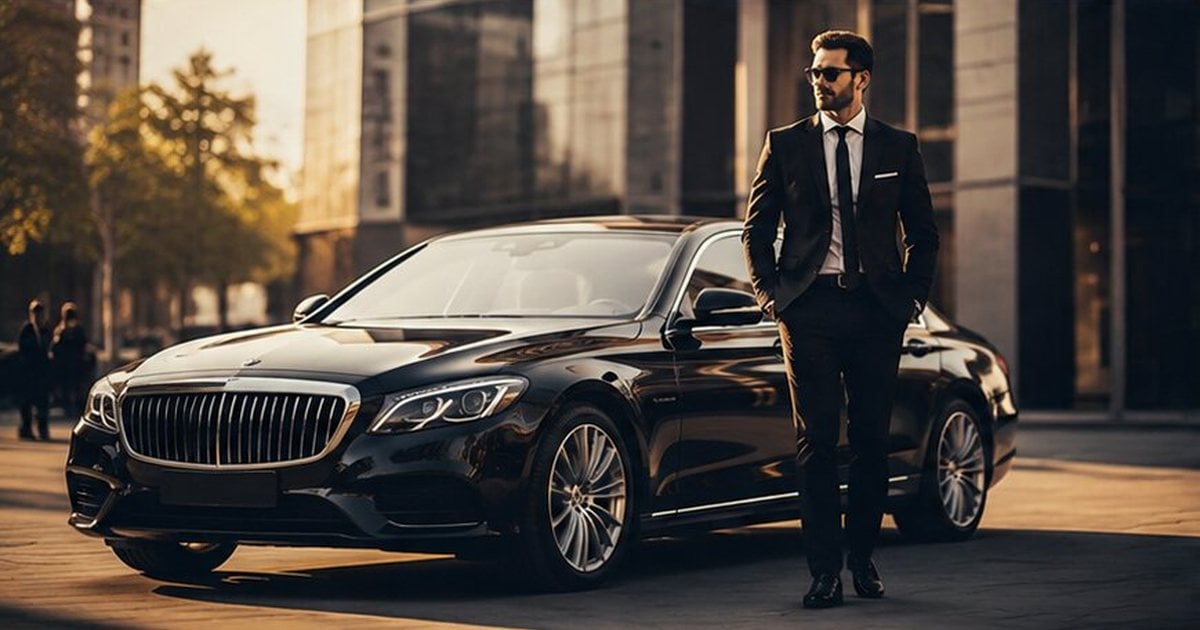
Chauffeured cars are black for reasons that go back well before the automobile. Black has long signaled formality and authority — in carriage livery, in official state cars and in evening dress. Early mass-produced cars were overwhelmingly black for practical reasons, and when New York’s corporate car services grew in the late 20th century with fleets of black sedans, the color became the name of the industry: black car service. Today black remains the standard because it is discreet, uniform and appropriate for every occasion.
Carriages and livery
Before cars, wealthy households and livery stables kept formal carriages painted in dark colors, driven by coachmen in uniform. Dark, glossy finishes looked elegant, hid road dirt from a distance and matched the formal clothing of the passengers. Funeral carriages and official coaches were black. When the motor car replaced the carriage, chauffeurs inherited the coachman’s role — and the formal color scheme came with it. Read the history of the chauffeur.
Henry Ford and the Model T
Henry Ford famously wrote that customers could have a Model T in “any color so long as it is black”. From about 1914 to 1925, Ford painted Model Ts only in black, largely because black enamel of the time dried quickly and suited mass production. With millions of Model Ts on the road, black became the everyday color of the automobile. Read the Ford Model T story.
Official and state cars
Presidential limousines, royal state cars and government vehicles have almost always been black. Black looks serious, photographs well and makes a motorcade’s vehicles hard to tell apart — a security advantage. See the history of presidential limousines.
New York’s “black car” industry
In New York City, “black car” has a specific meaning. As corporate car services grew from the 1970s onward, serving banks, law firms and media companies on account, they used fleets of black sedans — for decades mostly Lincoln Town Cars — to distinguish themselves from yellow medallion taxis. The city’s Taxi and Limousine Commission later licensed “black car” bases as a category of for-hire vehicle. Read the history of black car service in NYC.
Why black still works
- Discretion: black fits a boardroom, a wedding, a funeral or a red carpet.
- Uniformity: a fleet of black vehicles looks consistent, and passengers know what to expect.
- Prestige: black paint on a clean, polished car looks expensive.
- Tradition: clients expect it.
The downside is that black shows dust and swirl marks, so professional fleets wash and detail their cars constantly. See how chauffeured fleets are maintained.
Our fleet
All of our vehicles — from the Mercedes-Benz S-Class to the Mercedes-Benz Sprinter — are black, for all the reasons above.
Good to know
Frequently asked questions
Why is it called black car service?
The name comes from the black sedans used by New York’s corporate car services, which distinguished them from yellow taxis. It is now a general term for pre-booked, chauffeured luxury transportation.
Did the Model T only come in black?
From about 1914 to 1925 it was offered only in black. Earlier and later Model Ts were available in other colors.
Why are government cars black?
Black looks formal and authoritative and makes vehicles in a motorcade harder to tell apart.